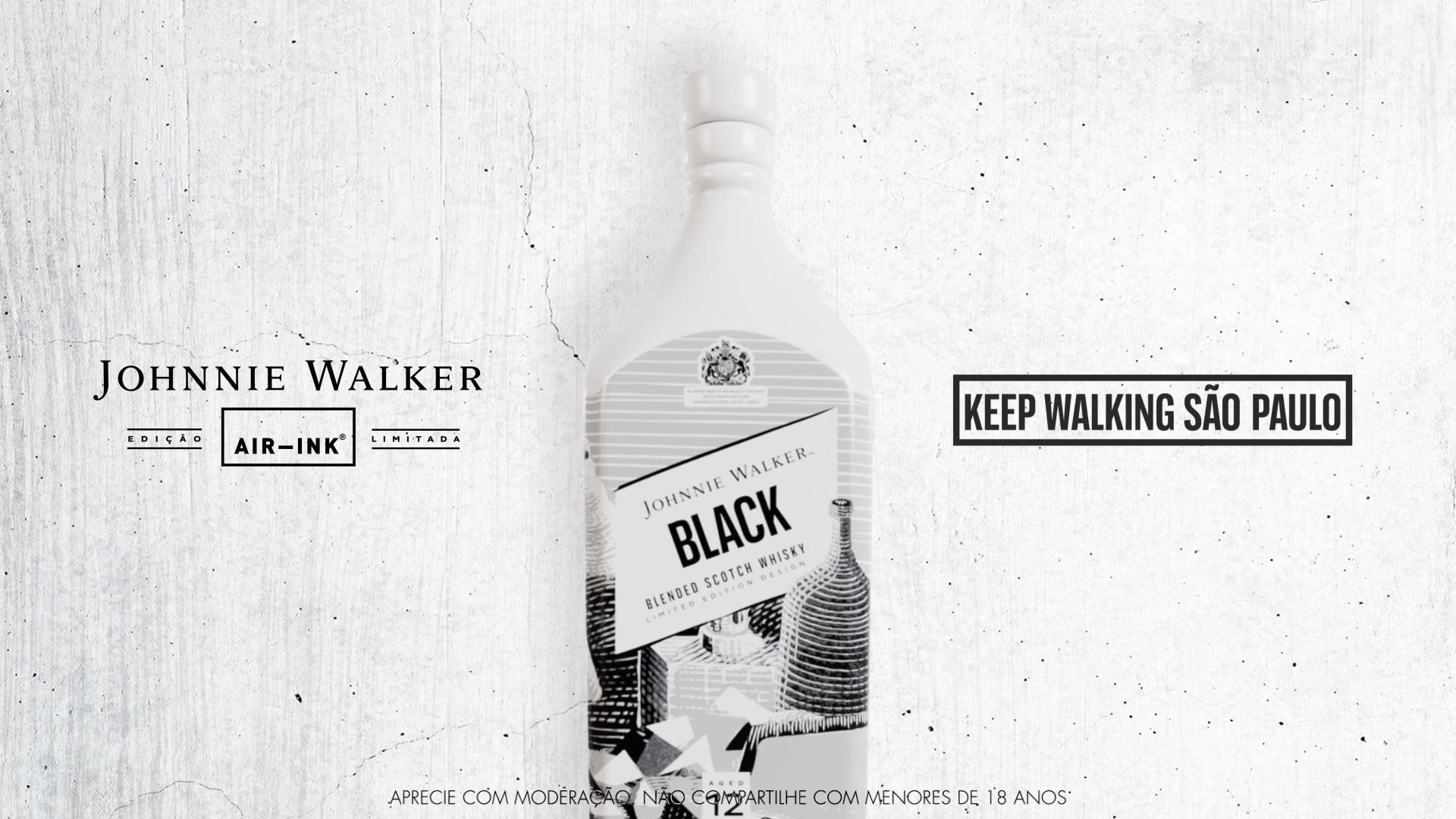
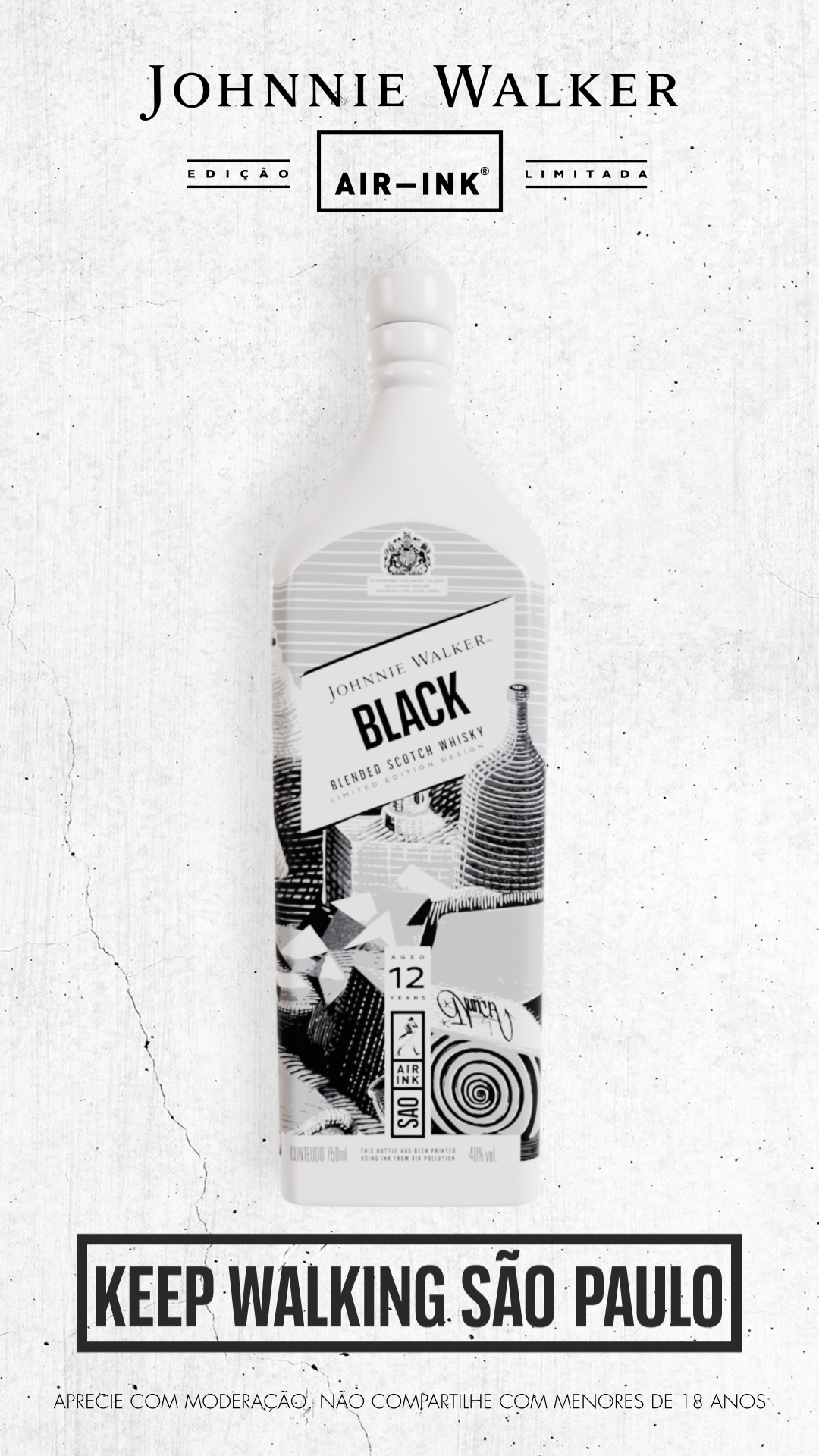
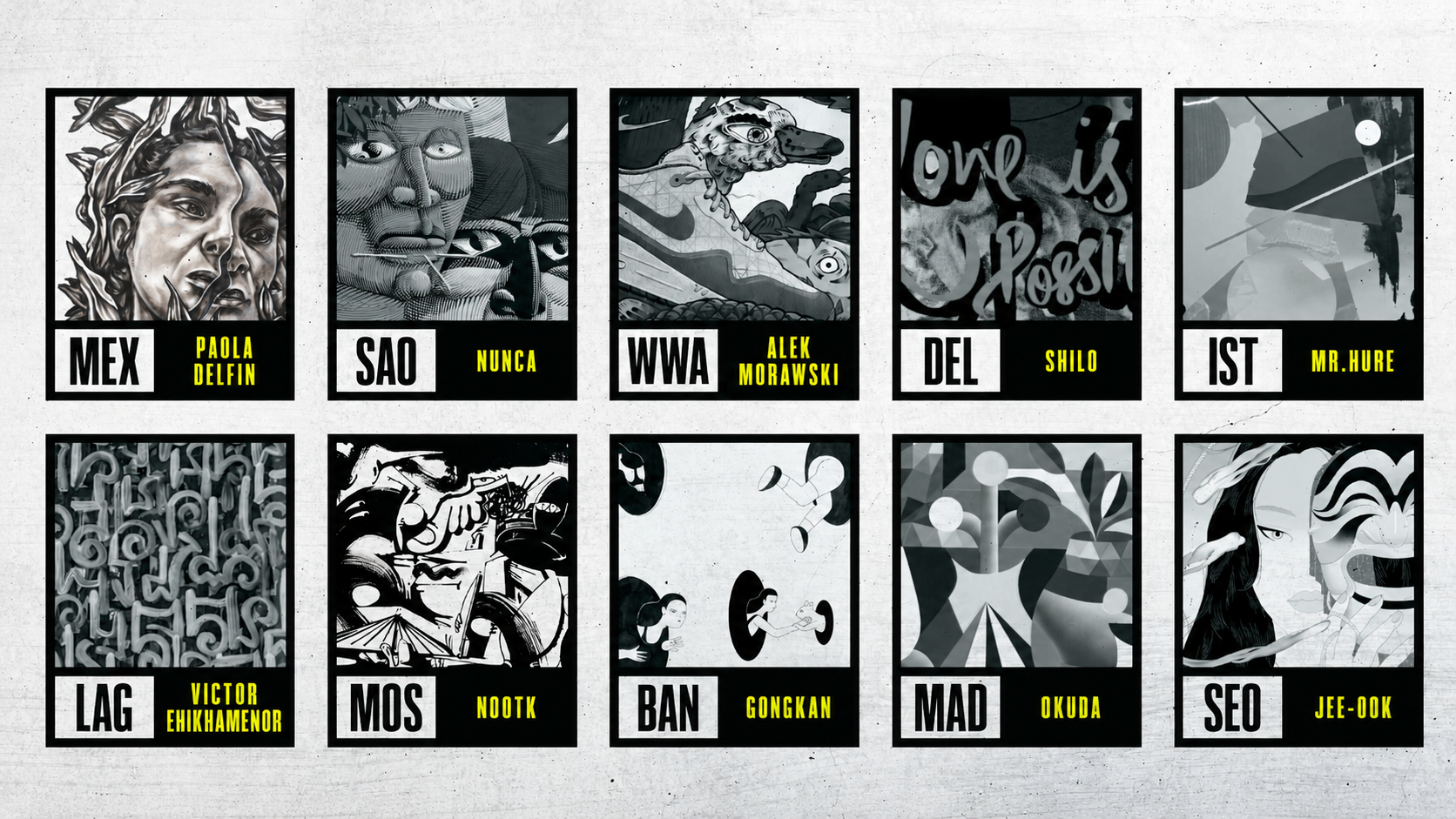
Johnnie Walker Black Label Air Ink. A limited edition printed with ink made from São Paulo's air pollution, illustrated by street artist Nunca. São Paulo was the Brazilian chapter of a global Johnnie Walker platform that invited a local artist in each market to show what makes their city special and inspire people to keep walking, and to keep it clean. Across cities like Madrid, Bangkok, Warsaw, and Mexico City, the brief was the same: shine a light on the culture, flavor, and style of a place through a piece of art literally made from it. In Brazil, that artist was Nunca.
The context
Johnnie Walker has carried a story about progress for as long as it has existed. Keep Walking is not a tagline, it is a brand promise about moving forward. The challenge was to turn that philosophy into something São Paulo could call its own, without sounding generic and without repeating the premium whisky cliché. The brand did not need another product launch. It needed meaning, and it needed proof that a global player could lead its category toward a more sustainable future.
The insight
São Paulo has a problem nobody celebrates: the air. The same city that drives the country produces the soot that coats its buildings and its lungs. But the city also teaches people to turn adversity into language. Graffiti, collage, the raw aesthetic of the streets, all of it is born from exactly that, from turning what's left over into expression. Pollution is not only an environmental liability. It is the raw material of a city that insists on walking on.
The idea
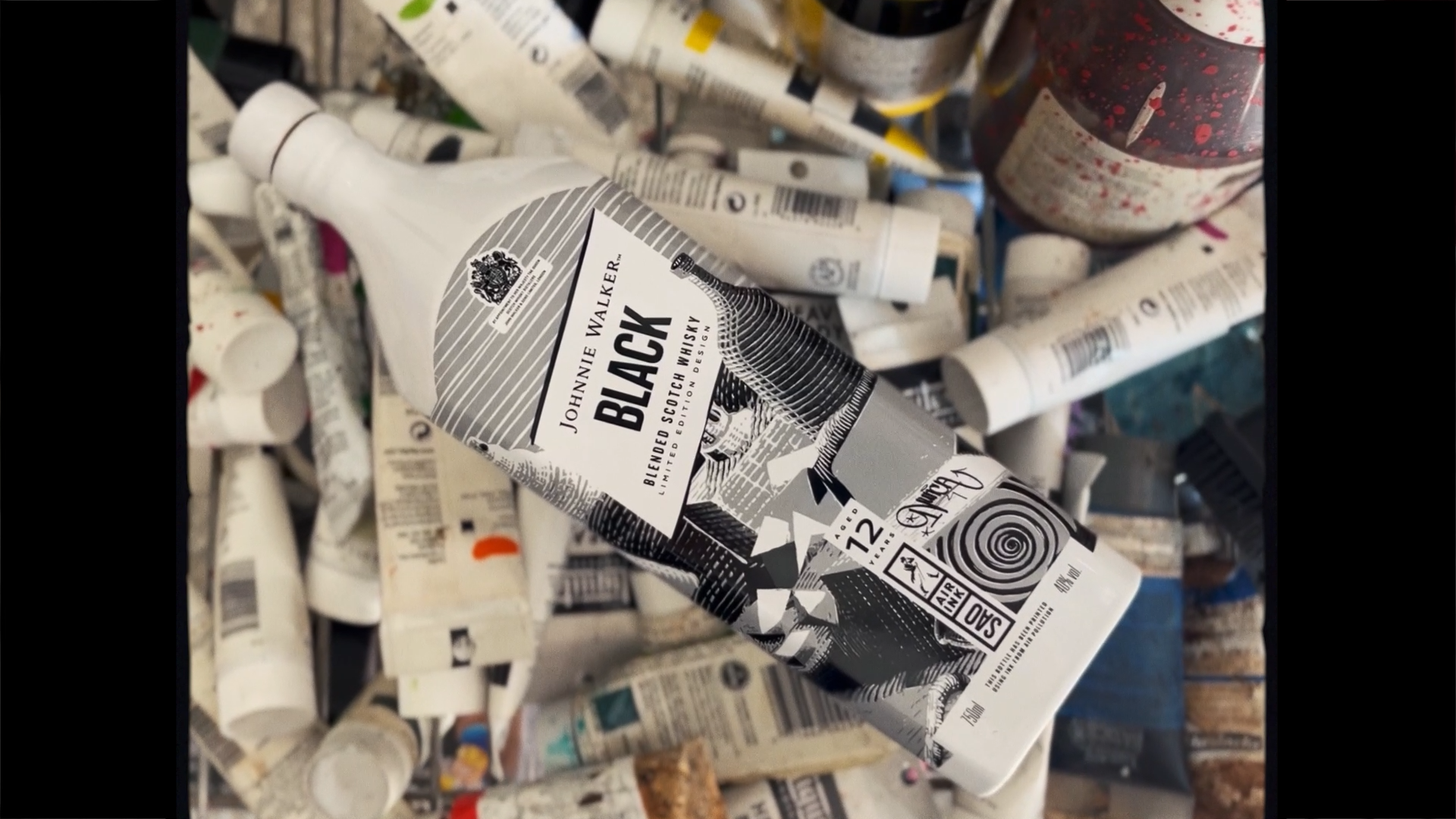
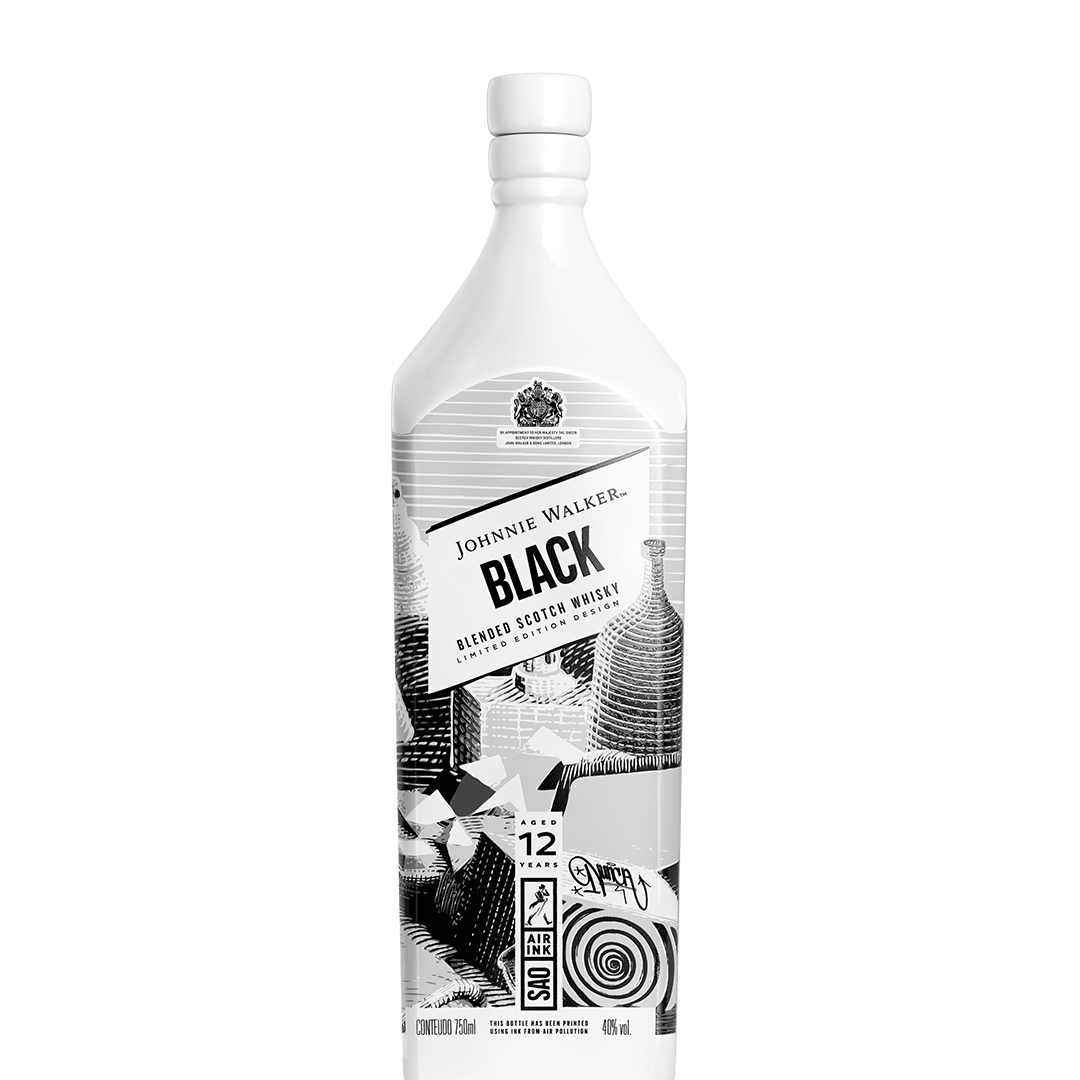
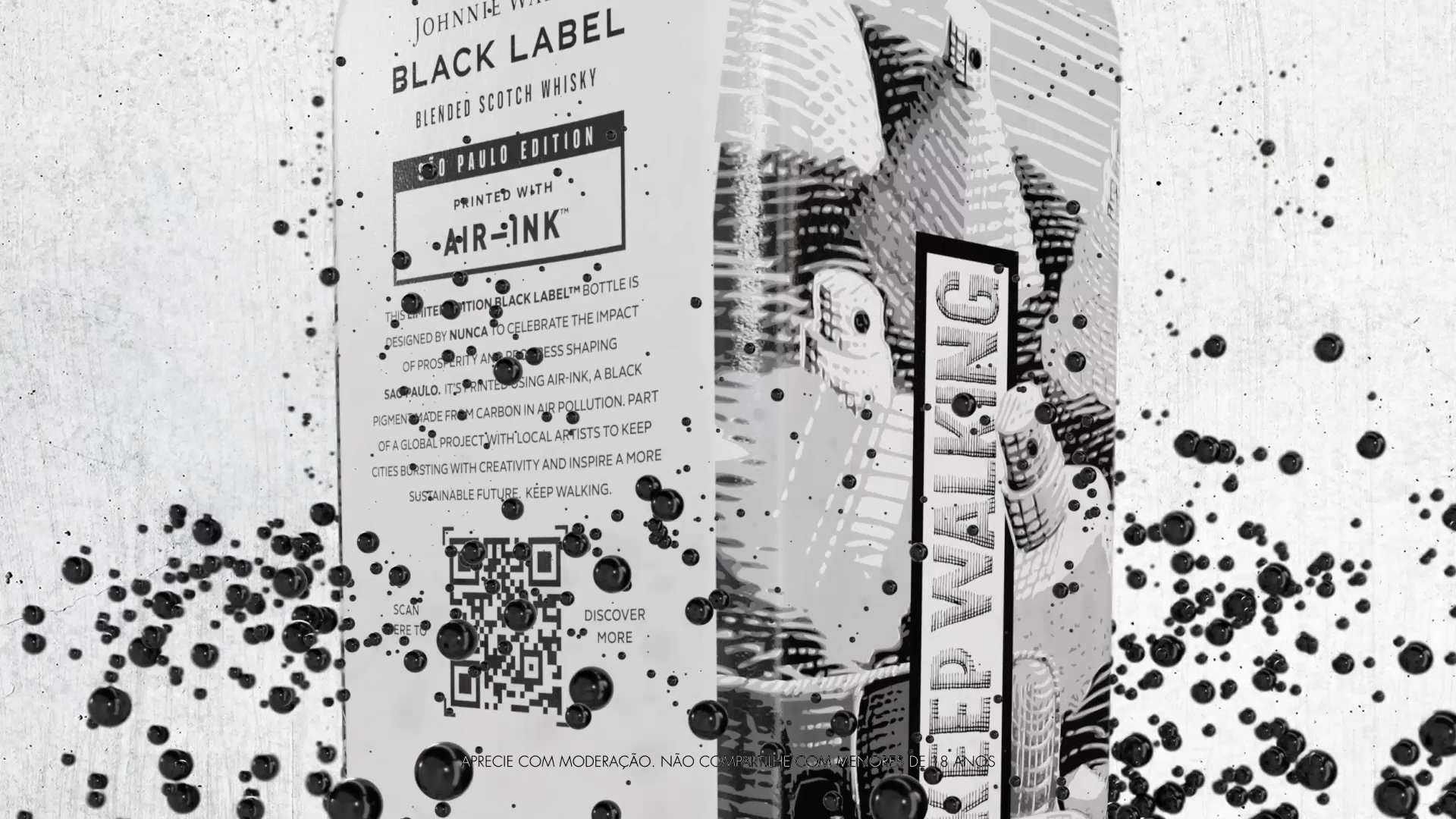
Capture São Paulo's air pollution, transform it into ink, and use that ink to print a limited edition of Johnnie Walker Black Label. The pigment was Air-Ink, the first ink made from air pollution, black carbon recovered from the air itself. Every bottle and every artwork in the platform was printed with it, so the work was not about the city, it was made of the city. The artwork, created by Nunca, is his reading of São Paulo, the tension between excess and progress that shapes the place. The idea became a content ecosystem built around several pillars.
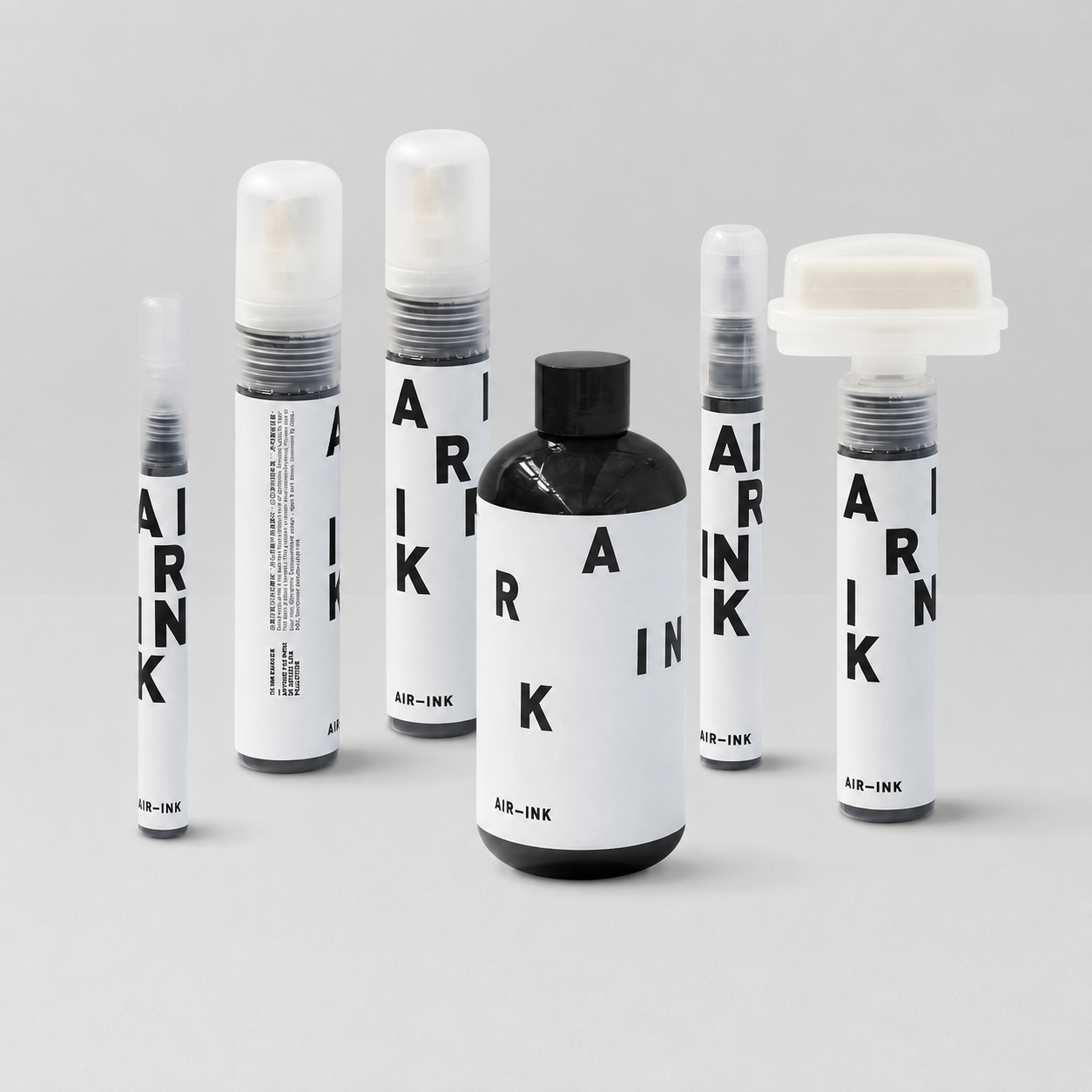
The first ink made from air pollution. We used Air-Ink to print every bottle and create each artpiece, to reduce carbon emissions, raise awareness, and produce work that was literally made from the city itself.
The artist
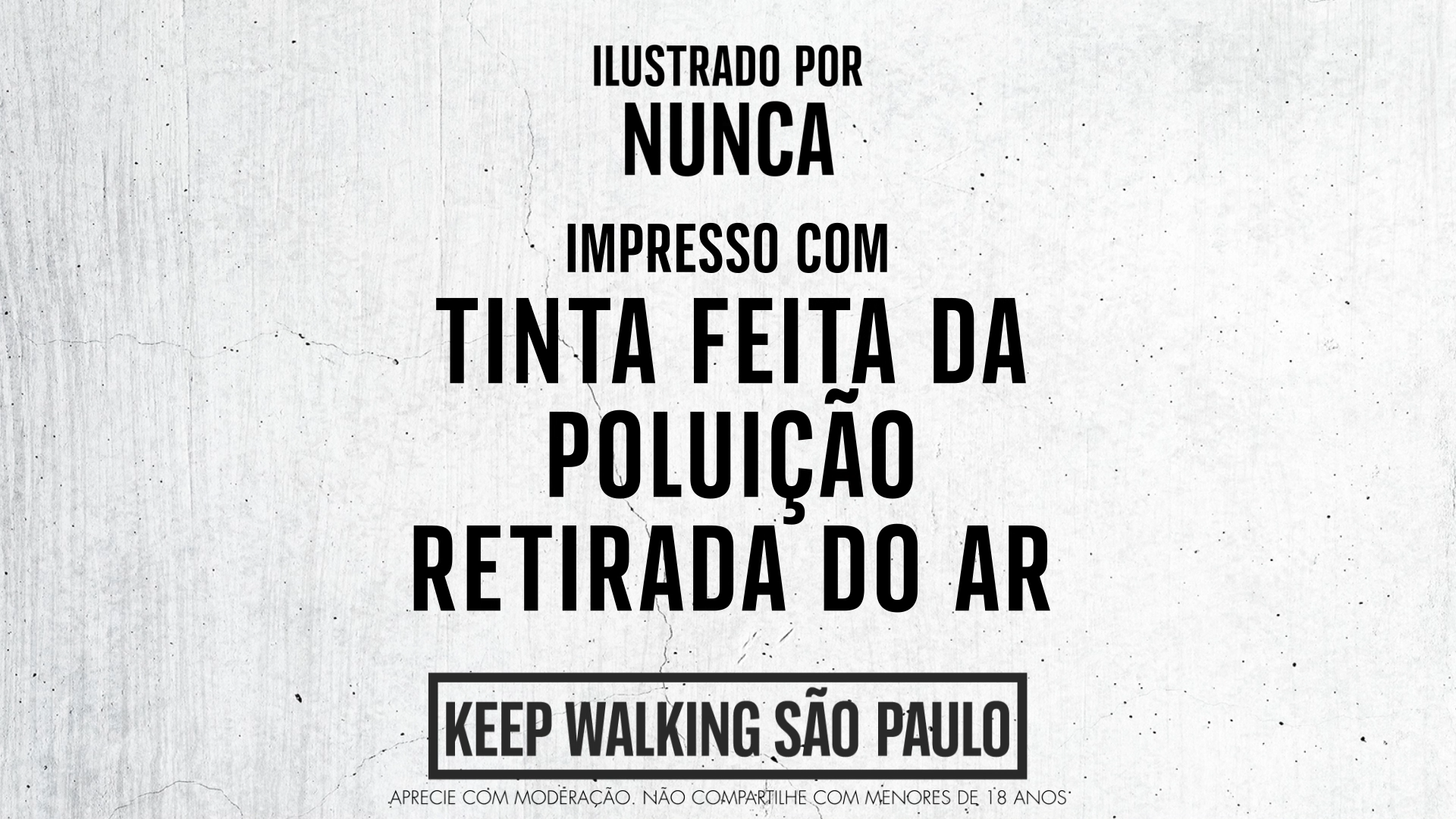
The artist. Nunca is one of the defining names of Brazilian street art. He was part of the first major public museum display of street art in London and was commissioned to paint the facade of Tate Modern. His work is heavily influenced by the geometric patterns and the visual culture of South America's indigenous peoples, and he is known for placing images of native rural figures inside the urban fabric of São Paulo, using the contrast to comment on the history and the identity of the city and the country. That body of work made him the natural artist to carry São Paulo's contradictions on a bottle, and the natural protagonist of the campaign built around it. The collaboration with Nunca was not a stamp, it was the backbone. Beyond the branded content series detailed below, a public mural signed by him in São Paulo became making-of content (Behind the Ink) and short clips with fun facts from the process (Air Ink Drops with Nunca). It was never a brand borrowing an artist, it was an artist giving the brand a piece of his city.
Featured chapter: Made of My City, the Nunca series
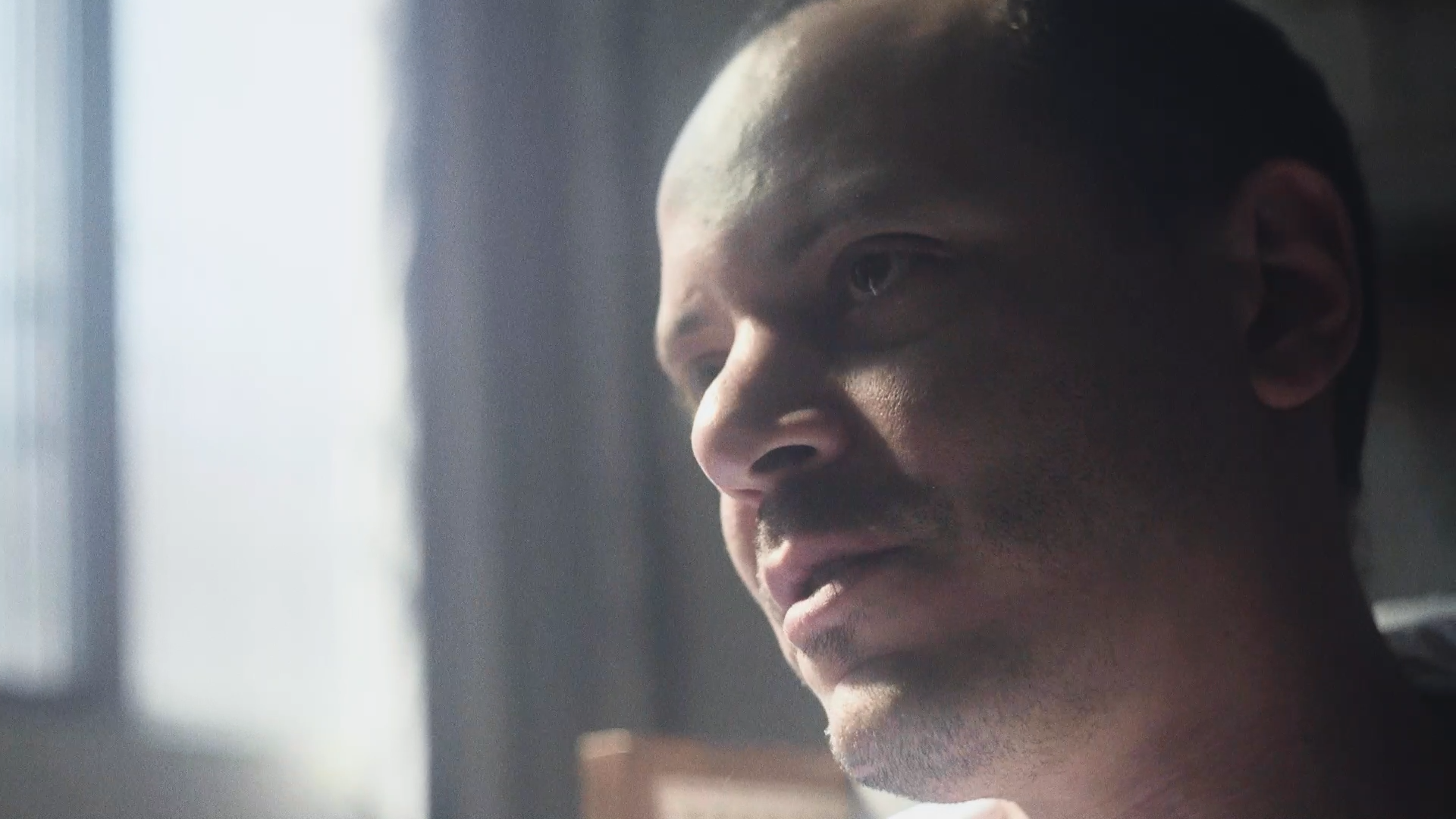
The heart of the storytelling was a branded content mini-documentary built entirely around Nunca: Made of My City, Walking with Nunca. Three episodes, roughly five minutes each, shot across the artist's studio, the mural, and the streets of São Paulo. Each episode was cut into Reels, Stories, and Shorts, with the full version released as a VOD, and each one was mapped to a phase of the Air Ink 2.0 framework so the narrative and the media pressure moved together. The series was not a behind-the-scenes reel. It was the place where the product's purpose became a human story, told by someone who has spent a career turning São Paulo's surfaces into meaning. Across the three episodes the series did the heavy lifting of the platform: it gave the limited edition a soul, gave the audience a reason to care before a reason to buy, and gave the brand a piece of culture that could travel well beyond the campaign window.
"This is about São Paulo as it appears to Nunca. The traffic, the pollution, the people, all carried along the river that is the city. But the people refuse to get carried away by the current." — Nunca
EP1
Francisco introduces himself as the artist who signs as Nunca, a name that means never, born out of a refusal of the ban on painting in the street. He has always wanted his work to speak to the people who pass by and make them think about how we treat nature, a way of saying never to a way of living where we consume and pollute but rarely deal with the pollution we create. Painting a bottle whose artwork is made with ink produced from the city's own pollution carries a deeper irony for him, since street art itself was always dismissed as visual pollution, and here the cycle finally closes. In the artwork, figures buried under a mountain of products stand as a warning: if we do not ease up on our consumerism, sooner or later we will have to face the waste. He believes the project can shift how people see both street art and their own impact, and that the best way to raise that awareness is through art and creation, because when you look at a wall, you can transport yourself somewhere else.
Nunca
"Part of my work is getting people to see that this country's first peoples have a history of their own, a culture that runs deep." — Nunca
EP2
Nunca traces his path from the street, where what first drove him was the ability to speak to strangers and have a friend recognise a piece as his without being told. He explains that his signature technique grows out of crosshatching, the line work the first colonisers used to depict the fruits, plants, landscapes, and peoples of Brazil, and that turning that same technique on his own work is a way to reclaim the narrative of what Brazil means to him, the life lived in São Paulo, seen through the eyes of someone descended from everything that has happened over the last five hundred years. He points out that although sustainability and care for the planet are everywhere now, the indigenous perspective, another way of living that is not the consumerist life of the city, has only recently entered the wider conversation. Part of his work is making people understand that Brazil's original peoples carry their own history, their own rich culture, and their own way of being in the world, and getting even one person to truly notice that is, for him, already enough.
Minha Caminhada
"The wall speaks to people." — Nunca
EP3
For Nunca, walking through São Paulo means seeing the city as one immense canvas, full of possibilities for creation, for encounters and missed connections. He frames graffiti as the city's language, a platform for exchanging ideas and transforming public space, and says he cannot imagine São Paulo stripped of its tags, stickers, and murals, all gray or all white. The figures he paints are not characters with personalities but metaphors, silent observers of the city, and the episode turns personal when he stands on land that once belonged to his family, now a building, a parking lot, a metro station, passed by without a second thought. The bottle, he explains, is a way to make people value the space they share and imagine a cleaner, more human city. He closes on a quiet reflection: if his painted figures could look back, they would see someone trying to understand himself and find alternatives for the world he lives in, and a little of themselves in him too.
Keep Walking
The strategy
he ambition was clear: build a meaningful campaign around the bold steps Johnnie Walker was taking toward a more sustainable future, drive fame and talkability anchored in sustainability, use the iconicity and exclusivity of the limited edition to generate product desire, and converge online and offline with a strong social core. Four principles powered the work. Everything started from sustainability. Meaning was delivered through the partnership with the artist and the Air-Ink. Product desire was engineered by seeding and dropping the bottle designs as highly covetable exclusives. And the whole thing became a bold new expression of Keep Walking. Sustainability was not a cause attached to the product, it was the reason to want it.
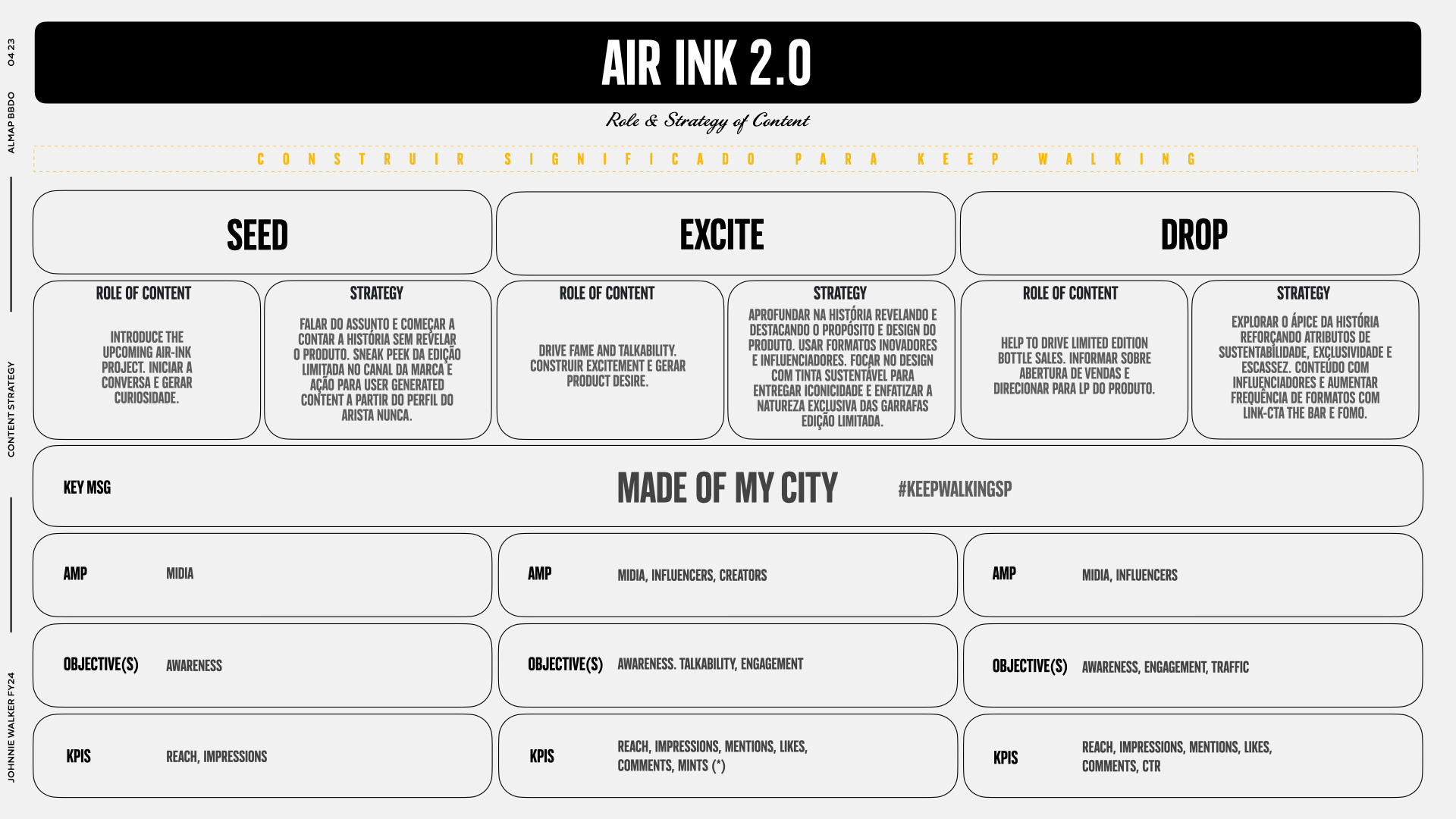
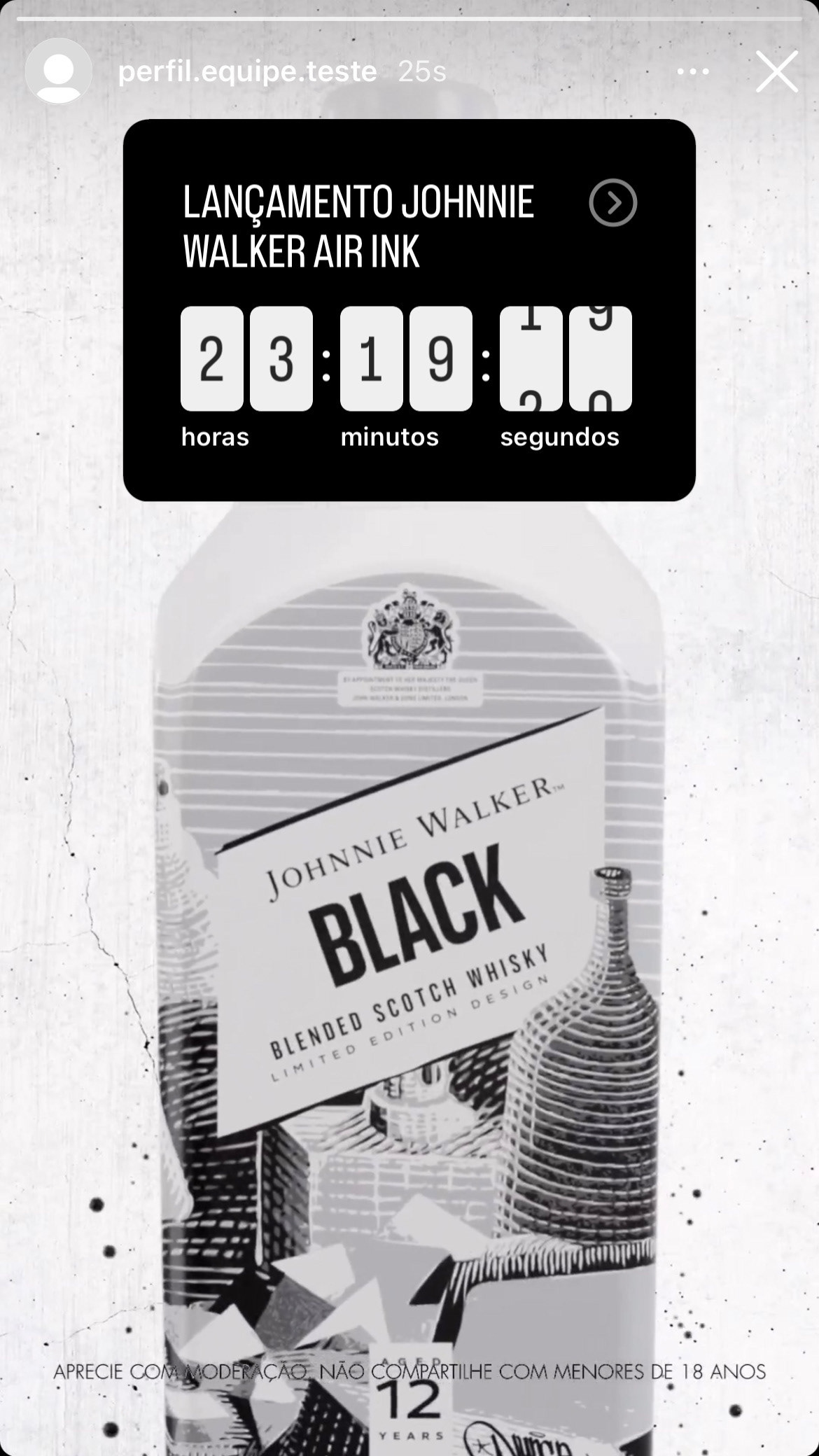
The content operation was designed as its own framework, Air Ink 2.0, organized into three movements. Each phase carried a clear role, a strategy, amplification audiences, and defined KPIs. The Seed phase started the conversation and built curiosity. It introduced the Air-Ink and the artist partnership and highlighted the sustainability story, beginning to tell it without fully revealing the product, through sneak peeks on the brand channel and UGC actions originating from Nunca's own profile. The objective at this stage was awareness. The Excite phase built desire. It revealed the bottle design, deepened the story behind it, and drove sign-ups and pre-orders, using innovative formats, behind-the-bottle artist content, community art, and influencers, always anchored in the sustainable ink and the exclusive nature of the limited edition. The objectives were awareness, talkability, and engagement. The Drop phase was the peak. It opened sales, reinforced sustainability, exclusivity, and scarcity, increased format frequency, and drove to point of sale with a CTA that activated FOMO. The objectives were awareness and engagement. Effort was distributed along the desire curve: 22% in Seed, 33% in Excite, 45% in Drop. Rollout from June to August 2023.
"This land was all ours. My family lived right here." — Nunca
Influencer gifting
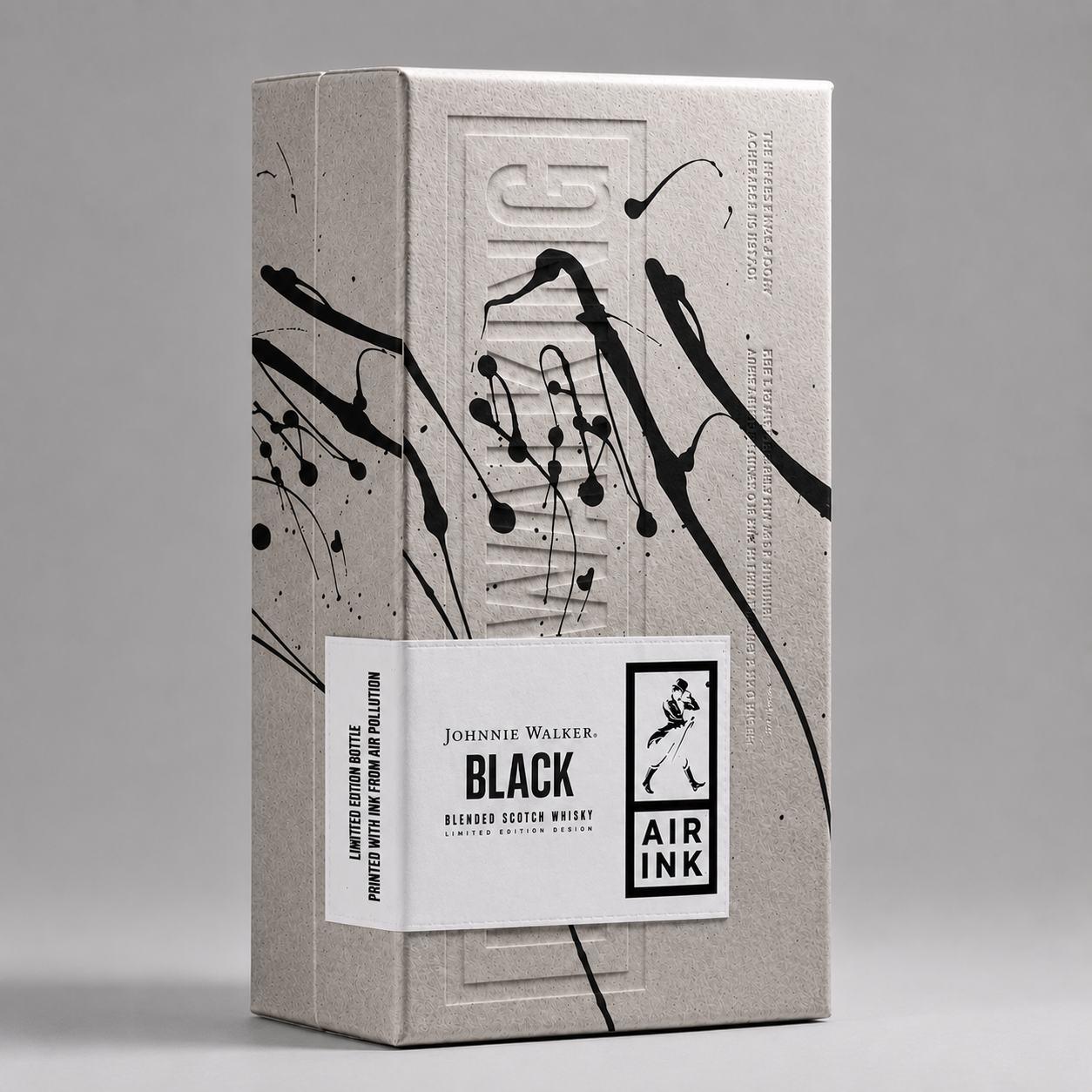
Influencer gifting, sustainable to the core. A gift box went out to local Walkers, creators, and influential voices across the sustainability and art communities. Sustainability was not a claim, it was the object: packaging made of recycled paper printed with Air Ink, a branded sticker printed with Air Ink, and an ice tray molded from recovered ocean waste plastic. Even the gift was made of the problem it was helping to solve.
The signature device
One creative mechanic stitched the films together across every phase. A single drop of ink falls from an Air-Ink pen, hits the surface, and explodes into a burst of droplets. The droplets swirl, cluster, and slowly resolve into the artwork on the bottle. It is the campaign's idea told in motion, pollution becoming art, and it ran across the Seed, Excite, and Drop social videos and the DOOH reveals, giving the whole platform one unmistakable visual signature.
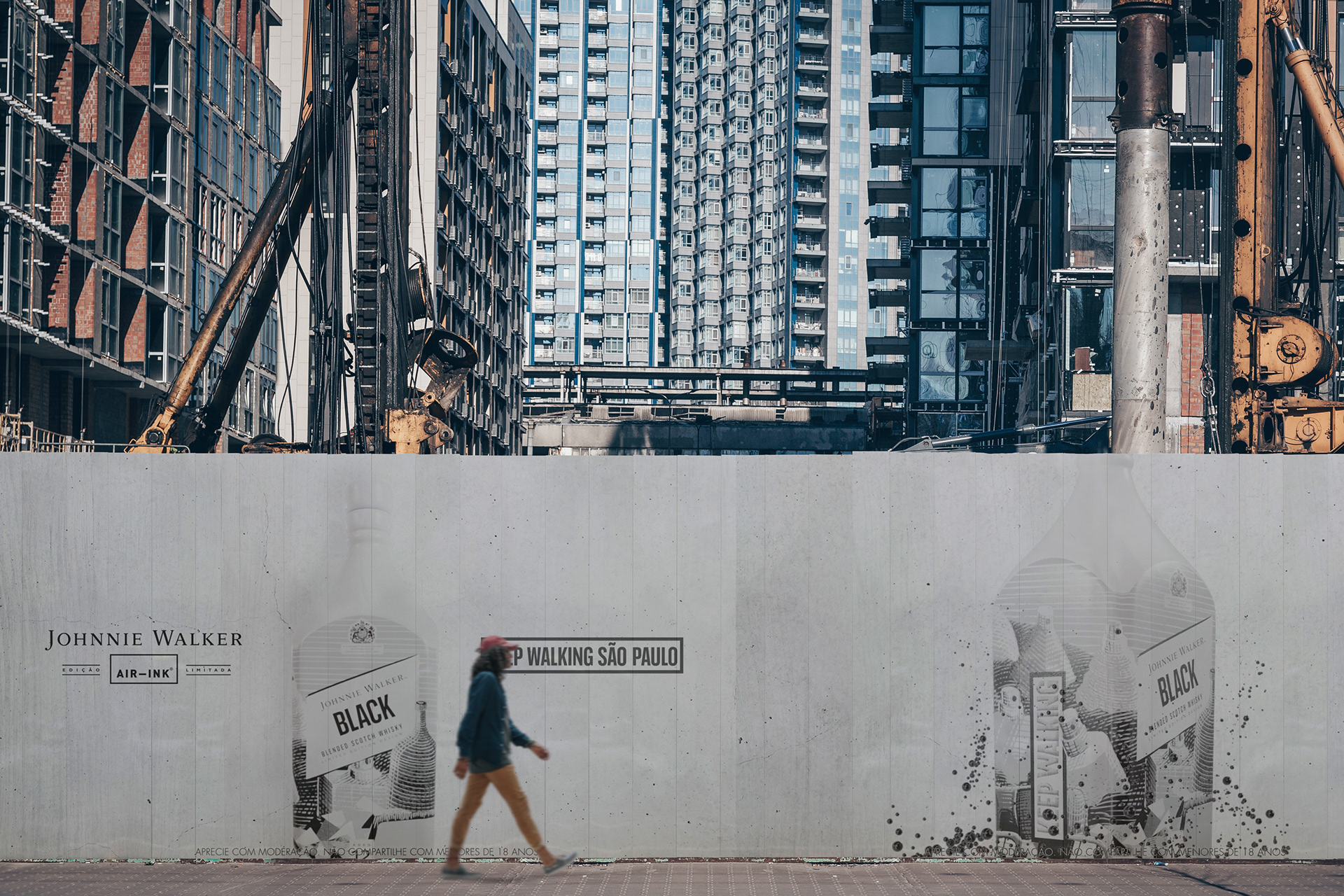
DOOH
The results
The integrated campaign connected social, branded content, OOH, DOOH, urban art, creator gifting, PR, digital media, and e-commerce into a single cultural moment. As the Brazilian chapter of Johnnie Walker's global Made of My City platform, it generated international earned media coverage, won global industry recognition, and drove a complete sellout of the limited edition on The Bar, Diageo's official e-commerce platform.
Why it matters
Air Ink São Paulo takes a metropolis's least glamorous asset, the dirt in its air, and repositions it as the signature of a brand built on progress. It proves that purpose does not have to be a lecture. It can be a product, it can be art, it can live in the ink itself, all the way down to the box it ships in. Keep Walking stops being a tagline and becomes a gesture, a city that keeps moving forward by turning what chokes it into something it is proud to show the world.
My role: Creative Direction, Creative Strategy, Branded Content Strategy, Scriptwriting. Led the São Paulo rollout of Johnnie Walker's global cultural innovation platform, Made of My City. Client: Johnnie Walker Black Label (Diageo). Agency: AlmapBBDO. Platform Made of My City (global) Chapter São Paulo, Brazil. Artist Nunca. Limited edition Black Label printed with Air-Ink, the first ink made from air pollution. Not just made in São Paulo. Made of it. Featuring Polinesia Network.
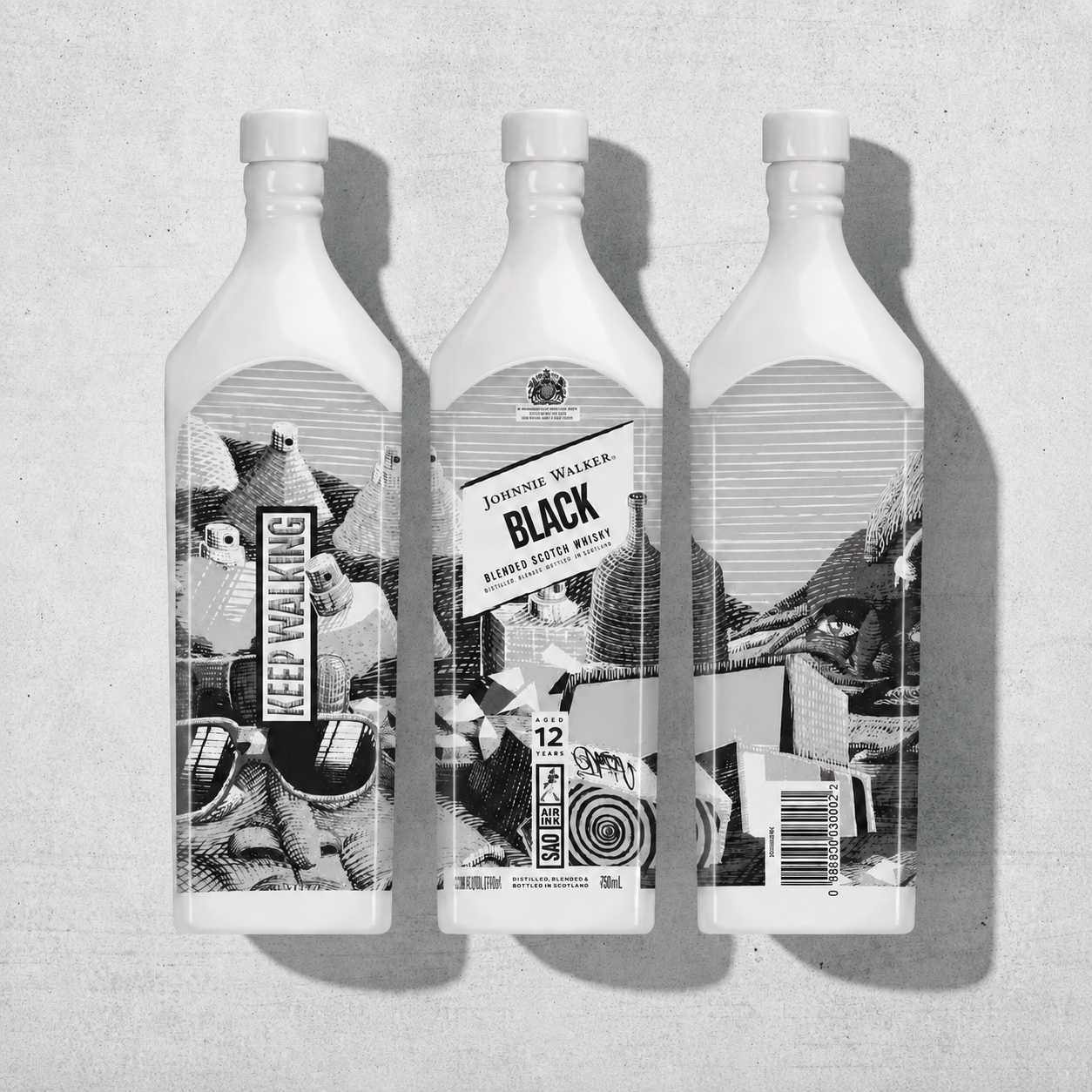
Johnnie Walker Air Ink São Paulo